
Music Symbols Explained for Beginner Piano Players
Learning piano feels easier when you understand the symbols used in sheet music. These signs show which notes to play, when to stay silent, and how music is counted.
This simple guide groups the most common symbols into three easy sections.
Clefs and Time Signature
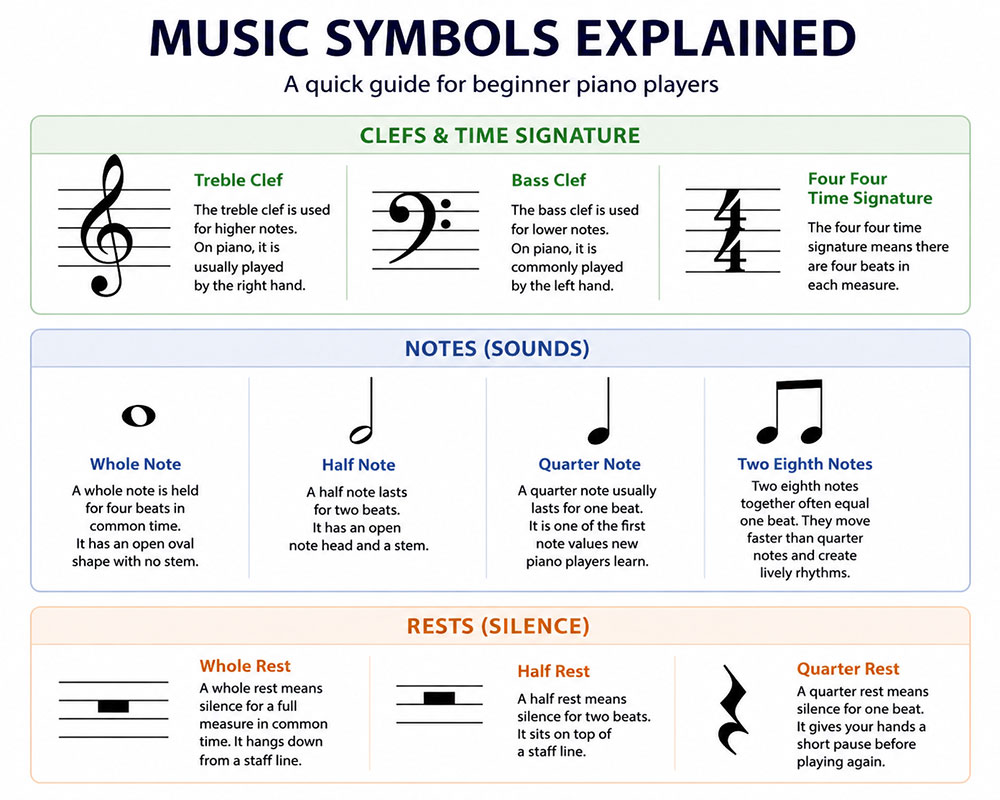
Treble Clef
The treble clef is used for higher notes. On piano, it is usually played by the right hand.
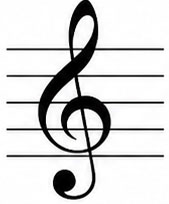
Bass Clef
The bass clef is used for lower notes. On piano, it is commonly played by the left hand.
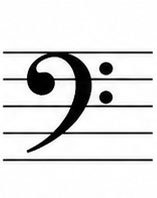
Four Four Time Signature
The four four time signature means there are four beats in each measure. It is one of the most common time signatures beginners meet.
Notes and Sounds
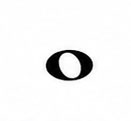
Whole Note
A whole note is held for four beats in common time. It has an open oval shape with no stem.
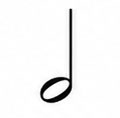
Half Note
A half note lasts for two beats. It has an open note head and a stem.
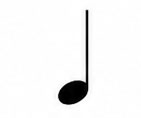
Quarter Note
A quarter note usually lasts for one beat. It is one of the first note values new piano players learn.
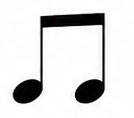
Two Eighth Notes
Two eighth notes together often equal one beat. They move faster than quarter notes and help create lively rhythms.
Rests and Silence
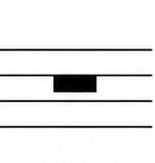
Whole Rest
A whole rest means silence for a full measure in common time. It hangs down from a staff line.
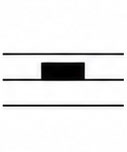
Half Rest
A half rest means silence for two beats. It sits on top of a staff line.
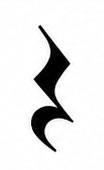
Quarter Rest
A quarter rest means silence for one beat. It gives your hands a short pause before playing again.
- Once you know these symbols, reading beginner piano music starts to feel much more natural.
Take your time with each one. The more often you see these symbols in sheet music, the easier they become to remember.